The Foundations of Natural Cosmetic Formulation: Where to Begin
Knowing how and where to start your natural cosmetic formulation journey can be tricky. In this article, we will discuss some of the key considerations and resources to help you get started with your formulation.
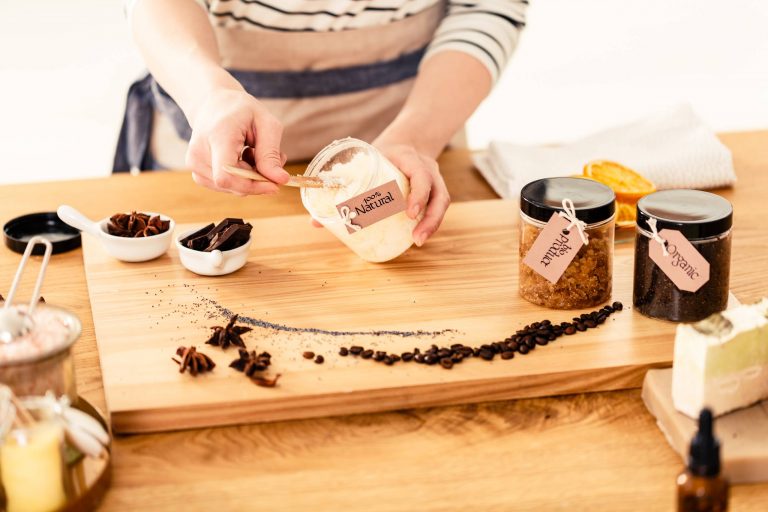
With natural beauty, you have to know what you are trying to achieve and then actually make it. When you craft your own products at home, you have to choose every single ingredient, for every single product, and pay attention to the overall texture and consistency, not to mention the safety and preservation. This is important because, at the outset, you have to decide whether you want a cream or a serum, a balm or a wash. Once you decide, every ingredient has a purpose and every product has a deliberate outcome. This is what sets hobbyists apart from actual crafters.
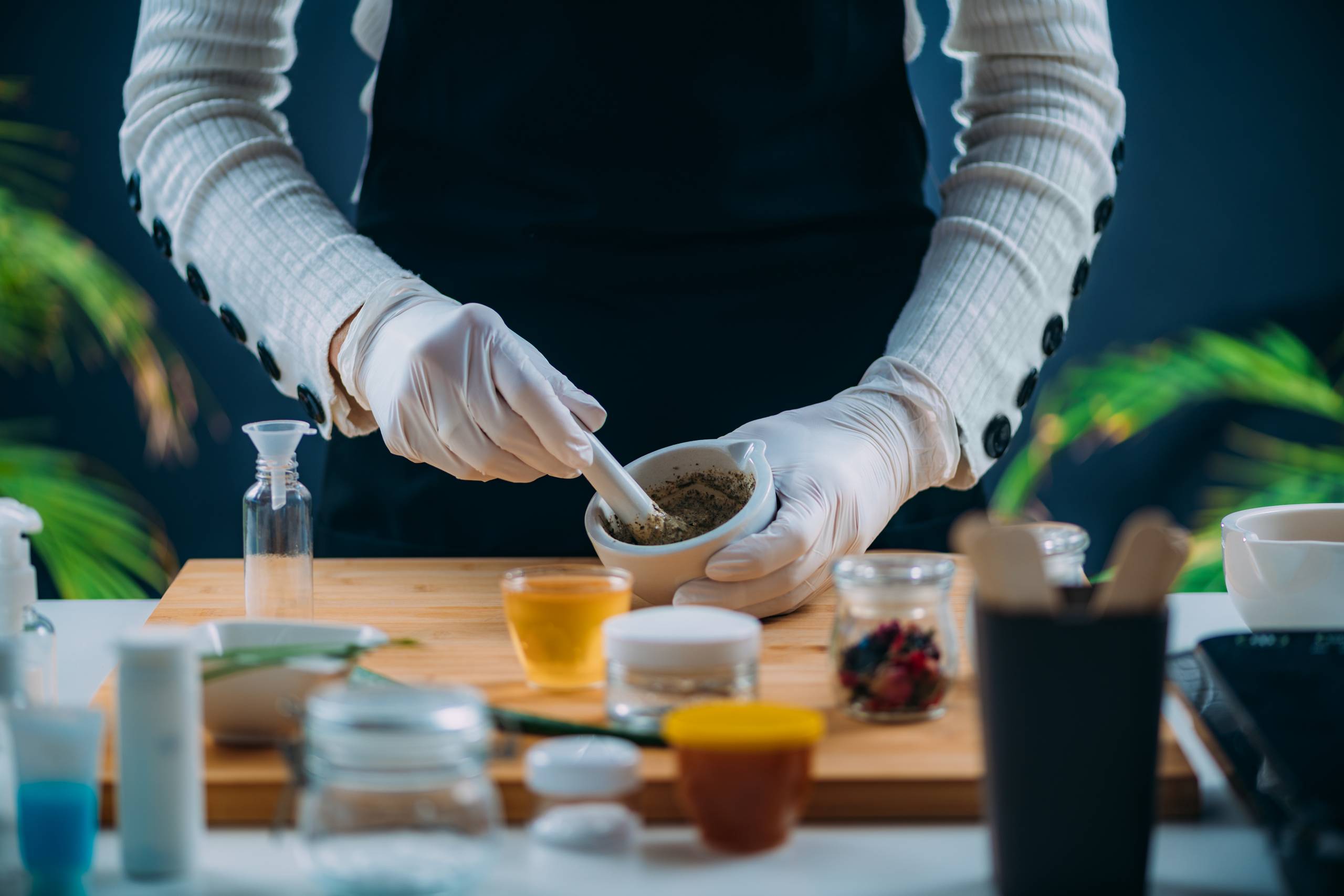
The second thing is to understand the different types of ingredients that exist and their functions. Oils and butters are for conditioning and thickening, water phase ingredients are for hydration and lightness, emulsifiers are to enable the water and oil to mix and create a cream, and preservatives to keep it from going bad. Knowing your different ingredient categories ensures that your formulations will be more stable (which you’ll want if you’re aiming for a commercial-type product) and that you won’t end up with separation or greasiness or some other textural issue.
Now that we understand what each group of ingredients does, creating a formula doesn’t have to be random. Start with a base, throw in some extracts or humectants, some sensory ingredients, and so on. You don’t want too much of any one thing because it can ruin the formula and cause irritation or instability. A good formula balances functionality, aesthetic, and stability. It should feel good on the skin and provide the desired effect without being too rich or too watery.
But there is no better way to learn how ingredients work, how your product will perform, and how it will look and feel after several months than testing a product, and retesting with slight variations until you have a formula you like. It’s also crucial that you keep track of the ingredient ratios you used and what your results were. Keeping a notebook for your formulas will be your best friend, and help you keep track of your improvement with each batch.
Lastly, safety should always come first, not last. Just because it’s natural doesn’t mean it’s safe, and you need to know how to properly preserve, store, and label your products. Even the safest of ingredients can become hazardous if not used or stored properly. Knowing the basics of safety will not only make your products gorgeous, but safe. The more you learn, the more confidently you’ll formulate knowing that there is a way to do things safely and still be creative, and your hobby will eventually become a trusted skill.